

Open for Chapter Submission
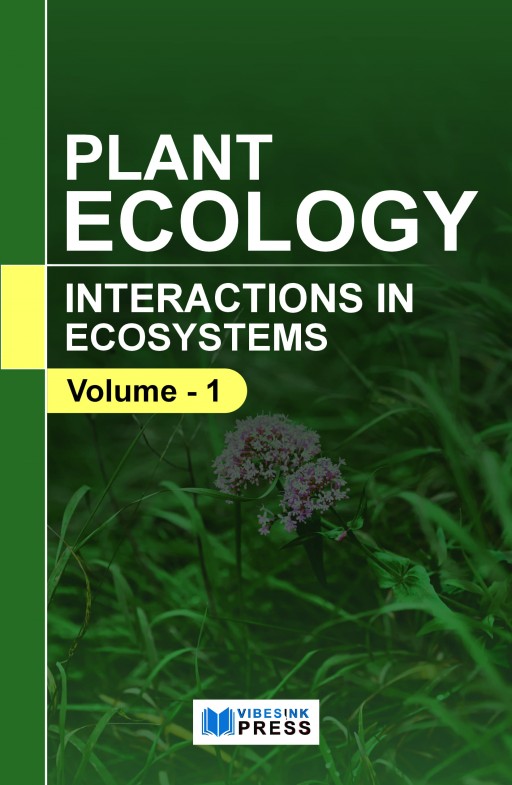
Plant Ecology: Interactions in Ecosystems (Volume 1)
About this book
About the Book
Plant Ecology: Interactions in Ecosystems explores the intricate relationships between plants and their environment, focusing on how plants interact with each other, animals and abiotic factors within ecosystems. The book covers key topics such as plant competition, mutualism, herbivory and pollination, and examines how these interactions influence plant distribution, abundance and community dynamics. It also explores the role of plants in ecosystem functions, including carbon cycling, nutrient cycling and habitat formation. By analyzing both plant-plant and plant-animal interactions, this volume provides a comprehensive understanding of the ecological roles that plants play in shaping ecosystems. It is an essential resource for students, researchers and professionals in ecology, environmental science and plant biology.
“Collaborative research today builds the resilient communities of tomorrow.”
Scope
Scope of the Book
Suggested topics and areas of interest for this volume:
This book provides an in-depth examination of plant ecology
focusing on the interactions between plants and their ecosystems. It covers the principles and processes underlying plant interactions with other organisms and environmental factors
as well as the role of plants in shaping ecosystems. The book integrates ecological theory with practical examples
offering a comprehensive understanding of how plants contribute to and are influenced by their ecological contexts. It is designed for students
researchers
and professionals in plant ecology
environmental science
and related fields. Topics to Cover: Introduction to Plant Ecology
Plant-Environment Interactions: Abiotic Factors and Adaptations
Plant Community Structure and Dynamics
Ecological Roles of Plants in Ecosystems
Plant Competition: Mechanisms and Outcomes
Plant Facilitation: Mutualistic and Symbiotic Relationships
Plant-Pollinator Interactions: Ecology and Evolution
Plant-Herbivore Interactions: Defense Mechanisms and Adaptations
Plant Pathogen Interactions: Disease Ecology and Management
Ecology of Plant Reproduction: Pollination and Seed Dispersal
Plant Adaptations to Stress: Drought
Salinity
and Extreme Environments
Nutrient Cycling and Plant Contributions to Ecosystem Function
Plant Succession: Processes and Patterns
Biodiversity and Ecosystem Services Provided by Plants
Wetland and Aquatic Plant Ecology
Forest Ecology: Structure
Function
and Dynamics
Grassland and Savanna Ecosystems: Plant Diversity and Adaptations
Desert and Arid Land Ecology: Plant Survival Strategies
Climate Change and Its Impact on Plant Communities
Invasive Plant Species and Their Ecological Effects
Urban and Agricultural Plant Ecology
Ecological Restoration and Plant Reintroduction
Plant Ecophysiology: Photosynthesis
Respiration
and Growth
Remote Sensing and GIS in Plant Ecology
Quantitative Methods in Plant Ecology: Data Collection and Analysis
Interactions Between Plants and Soil Microbes
Human Impacts on Plant Ecosystems: Land Use and Pollution
Plant Ecology in Conservation and Management
Ethical and Policy Issues in Plant Ecology Research
Future Directions in Plant Ecology Research and Applications
Contributors
Who Can Submit a Chapter?
Contributors should ensure that their proposed chapter is relevant to the scope and requirements of this book.
Research Scholars
Faculty Members
Academicians
Researchers
Subject Experts
Professionals with relevant expertise
Why publish here
Why Publish in This Volume
Requirements
Chapter Submission Requirements
Prepare your manuscript according to the chapter guidelines. Full requirements are in the downloadable guidelines PDF.
- Original manuscript suitable for an edited academic volume
- Abstract
- Author name(s) and contact details
- Affiliation / institutional details
- References in a consistent academic format
- Formatting as described in the chapter guidelines
- Declaration / originality statement as required in the guidelines
- Permissions for any third-party material used
Process
How to Submit Your Chapter
Submission does not automatically mean acceptance. Timing depends on revisions and the editorial schedule for this volume.
01Review the OpportunityRead the scope, topics and contributor requirements.
02Prepare Your ChapterFollow the applicable chapter guidelines.
03Submit Your ChapterUse the author dashboard submission form.
04Editorial ReviewEditorial review, and peer review where this volume requires it.
05PublicationAccepted contributions proceed through production; ISBN for the volume, DOI for the chapter.
Transparency
What Authors Should Know
- Review this book’s scope before submission.
- Requirements may vary by opportunity.
- Submission does not automatically mean acceptance.
- The submission deadline shown on this page is Open now.
- Authors should follow the applicable chapter guidelines.
Explore all current book chapter opportunities → Explore book publishing options →
Editorial opportunity
This Volume Needs an Editor
Editor needed
No editor is assigned to Plant Ecology: Interactions in Ecosystems (Volume 1) yet. If you have subject expertise and academic experience, you can apply to lead this edited book.
- Guide chapter submissions in your subject area
- Support editorial quality and peer review where required
- Be acknowledged as editor of the published volume
Questions
Frequently Asked Questions
A fixed submission deadline is not listed for this opportunity yet. This volume is open for chapter submissions. Contact the editorial team if you need a timeline for this title.
Researchers, academicians, faculty members, subject experts and professionals with relevant expertise may submit when their work fits this volume’s editorial scope. Review the scope and guidelines before submitting.
Suitable contributions should align with this book’s stated scope (Science). Review the Scope & Topics section on this page and the chapter guidelines before preparing your manuscript.
Follow the Chapter Guidelines PDF for manuscript format, references, figures/tables, originality and permissions. Volume-specific instructions on this page take priority where provided.
Use Submit Your Chapter to open the author dashboard submission form (sign in or create an account if needed). You can also contact the editorial team if you have questions before submitting.
Current general fees shown on this page are ₹800 for Indian authors and US$20 for international authors, from publishing settings. Confirm the amount before payment.
Yes. A hard copy is available as an optional add-on for ₹500 / US$10.
The editorial team acknowledges the submission and assesses fit and presentation. You may be asked to revise. Peer review is used where this volume requires it. Submission does not automatically mean acceptance.
Contributors should ensure the proposed chapter is relevant to the scope and requirements of this book. Submissions outside the stated scope are less likely to proceed.
ISBN is assigned to the published edited volume. DOI is provided for published book chapters. Identifiers are applied as part of the publication process for accepted contributions.
More opportunities
Related Book Chapter Opportunities
Other edited volumes currently listed for chapter submission.


Explore
Related Publishing Paths
Share Your Research. Make an Impact.
Submit your chapter to Plant Ecology: Interactions in Ecosystems (Volume 1) or speak with the editorial team.